Table of Contents
Introduction to the English Bulldog
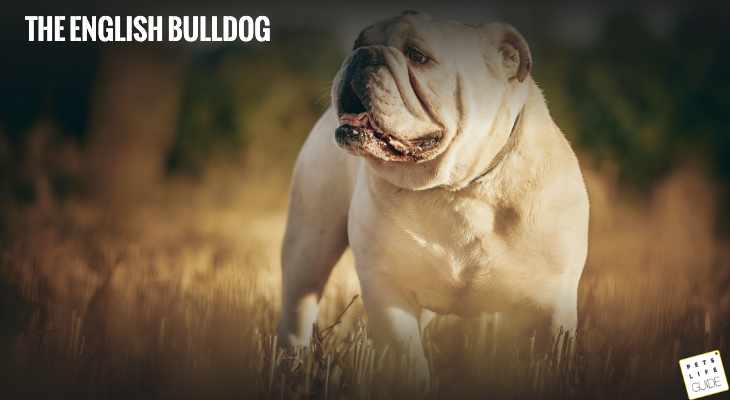
The English Bulldog, also known as the British Bulldog, is a small-sized domestic dog breed that is known for its distinctive wrinkled face and pushed-in nose. The breed has a history that dates back to the medieval period when it was used for bull-baiting, a popular blood sport in England. Today, the English Bulldog is a beloved pet and companion that is known for its affectionate and playful nature.
History of the Breed
The English Bulldog has a long and fascinating history. The breed is believed to have originated in England during the medieval period. The breed was used for bull-baiting, a popular blood sport in which a bull was tethered to a post and a dog was released to attack the bull. The bulldogs that were used for this sport were specially bred to be aggressive and fearless.In 1835, bull-baiting was banned in England and the breed faced the risk of extinction. However, a group of dedicated breeders decided to save the breed by breeding the bulldogs to be more docile and less aggressive. They also began to breed the bulldogs for other purposes such as hunting and companionship.
Physical Characteristics
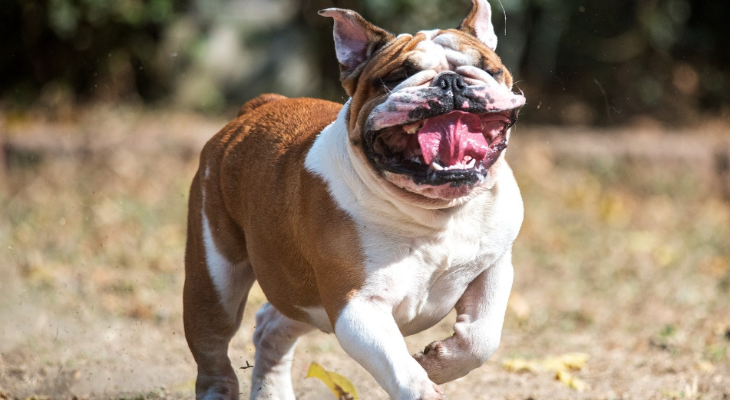
The English Bulldog is a small-sized breed that typically weighs between 40 to 50 pounds (18-22 kg) and stands about 11 to 12 inches (28-30 cm) tall at the shoulder. They have a short, compact body that is covered in a short, dense coat that is available in a variety of colors such as white, fawn, brindle, red, and piebald.The breed is known for its distinctive wrinkled face and pushed-in nose. They have a wide head and a short muzzle, which gives them a unique appearance. The breed also has a wide chest and a muscular body, which gives them a powerful and sturdy appearance.
English Bulldog Colors
English Bulldogs come in a variety of colors, including white, fawn, brindle, red, and piebald. Some of the most common colors for the breed include white with fawn or brindle markings and solid fawn or brindle. English Bulldogs with a black mask and black ears are also common.
Size and Weight
| Size and Weight | Male | Female |
|---|---|---|
| Height (cm) | 30-35 (12-14 inches) | 28-33 (11-13 inches) |
| Weight (kg) | 22-25 (48-55 pounds) | 18-22 (40-48 pounds) |
English Bulldog Personality and Temperament
The English Bulldog is a friendly and affectionate breed that is known for its playful nature. They are typically good with children and other pets, and they make great family pets. They are also known for their loyalty and devotion to their owners.
Characteristics of the Breed
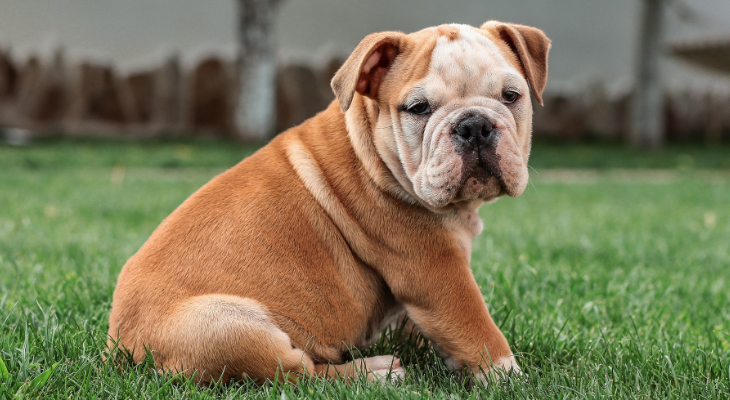
English Bulldogs are known for their docile and friendly nature. They are typically good with children and other pets, and they make great family pets. They are also known for their loyalty and devotion to their owners. English Bulldogs do not require a lot of exercise and they are happy to spend most of their time lounging around the house.
Training and Socialization
The English Bulldog is a relatively easy breed to train and socialize. They are eager to please and respond well to positive reinforcement training methods. However, it is important to start training and socialization at a young age to ensure that the dog grows up to be well-behaved and well-adjusted. It is also important to remember that English Bulldogs have a shorter snout, which can make it harder for them to breathe during intense physical activity, so it’s important to adjust the training accordingly.
English Bulldog Health Care
The English Bulldog is a relatively low-maintenance breed that is easy to care for. However, it is important to keep in mind that the breed is prone to certain health issues, so it is important to provide them with proper care and attention.
Feeding and Nutrition
English Bulldogs require a diet that is high in protein and low in fat. They should be fed a diet that is specifically formulated for bulldogs, as they have unique nutritional needs. It is also important to provide them with a consistent feeding schedule to ensure that they are getting the right amount of food.
Common Health Issues
English Bulldogs are prone to certain health issues, including respiratory problems, hip dysplasia, and skin infections. It is important to provide them with regular veterinary check-ups and to keep an eye out for any signs of illness.
Are English Bulldogs Prone to Overweight?
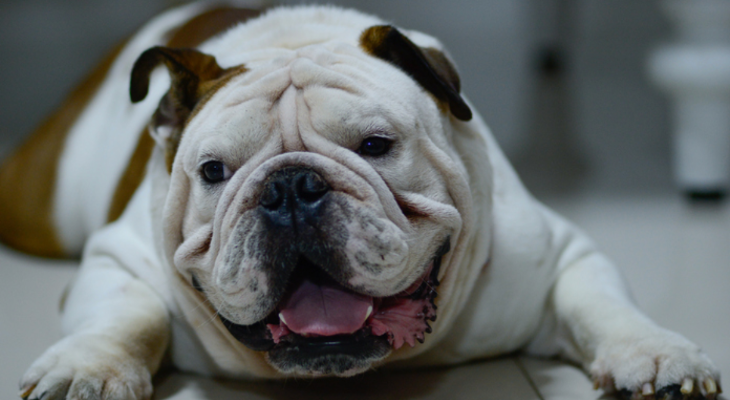
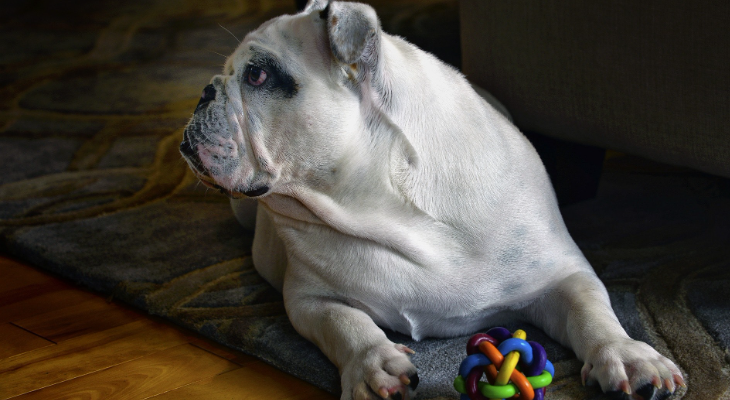
Yes, English Bulldogs are prone to becoming overweight. Their compact and stocky build makes them more prone to gaining weight, and their low exercise needs contribute to this as well. It is important to monitor their diet and ensure they are receiving the correct amount of food and exercise to maintain a healthy weight. Overweight English Bulldogs are at risk of developing health problems such as joint issues, respiratory problems and diabetes, which can significantly shorten their lifespan. Owners should consult with a veterinarian to determine the right diet and exercise plan for their English Bulldog.
How Do I Know My Bulldog is Overweight? How to Avoid Overweight?
To determine if your English Bulldog is overweight, you can use the Body Condition Score (BCS) method. This method involves visually and physically assessing your dog’s body shape and feeling for excess fat. You can also consult with a veterinarian, who can also assess your dog’s body condition and provide a weight management plan.
To avoid overweight in your English Bulldog, you should:
- Feed them a high-quality, nutritionally balanced diet that is appropriate for their age, size, and activity level.
- Provide them with consistent and regular exercise: English Bulldogs do not require a lot of exercise, but they do need regular walks to keep them healthy and happy. They also enjoy playing and should be provided with plenty of toys to keep them entertained.
- Limit their access to treats and table scraps: Treats and table scraps can add up quickly and contribute to weight gain.
- Monitor their weight regularly: Keep track of your dog’s weight, and make adjustments to their diet and exercise routine as needed.
- Consult with a veterinarian: A veterinarian can provide personalized advice and help you create a weight management plan that is tailored to your dog’s specific needs.
It’s also important to remember that English Bulldogs are prone to certain health issues, and being overweight can exacerbate these issues, so it’s important to maintain a healthy weight for their overall well-being.
Bulldogs’ Exercise and Grooming
English Bulldogs do not require a lot of exercise, but they do need regular walks to keep them healthy and happy. They also enjoy playing and should be provided with plenty of toys to keep them entertained.English Bulldogs have a short, dense coat that requires minimal grooming. They should be brushed regularly to remove loose hair, and their wrinkles should be cleaned regularly to prevent infection. They also require regular nail trimming and ear cleaning.
English Bulldog as a Family Pet
The English Bulldog makes a great family pet. They are affectionate, playful, and good with children and other pets. They are also known for their loyalty and devotion to their owners.
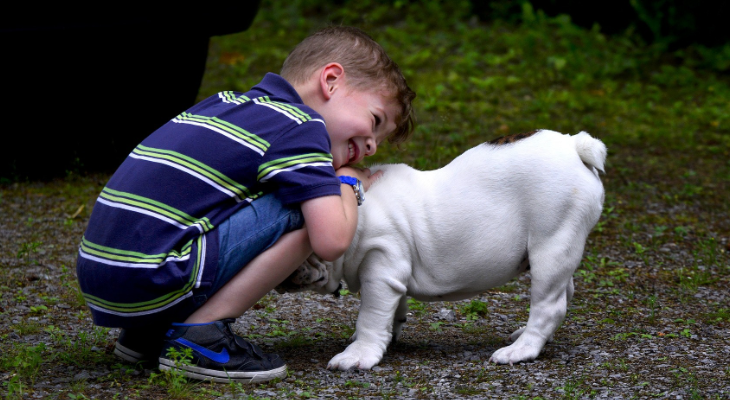
Suitability as a Family Pet
English Bulldogs are a great choice for families with children. They are known for their friendly and playful nature and they typically get along well with children and other pets. They are also known for their loyalty and devotion to their owners.
Tips for Living with an English Bulldog
When living with an English Bulldog, it is important to provide them with proper care and attention. This includes providing them with a healthy diet, regular exercise, and regular veterinary check-ups. It is also important to keep an eye out for any signs of illness and to provide them with regular grooming to keep them looking and feeling their best.
About English Bulldog by Documentary TV
Conclusion
The English Bulldog is a beloved pet and companion that is known for its affectionate and playful nature. They have a long and fascinating history, and they are a relatively easy breed to train and socialize. They are also a relatively low-maintenance breed that is easy to care for, but it is important to keep in mind that the breed is prone to certain health issues. If you are considering an English Bulldog as a pet, it is important to provide them with proper care and attention to ensure that they live a happy and healthy life.
Key Points about English Bulldogs:
- English Bulldogs are a small-sized breed that is known for its distinctive wrinkled face and pushed-in nose.
- They have a long history that dates back to medieval England, where they were used for bull-baiting.
- They are friendly and affectionate breed that is known for their playful nature and good with children and other pets.
- They have a short, compact body and short, dense coat that is available in a variety of colors.
- They are a relatively low-maintenance breed that is easy to care for, but they are prone to certain health issues such as respiratory problems, hip dysplasia, and skin infections.
- They do not require a lot of exercise and they are happy to spend most of their time lounging around the house.
- They make great family pets and are known for their loyalty and devotion to their owners.
English Bulldog vs French Bulldog
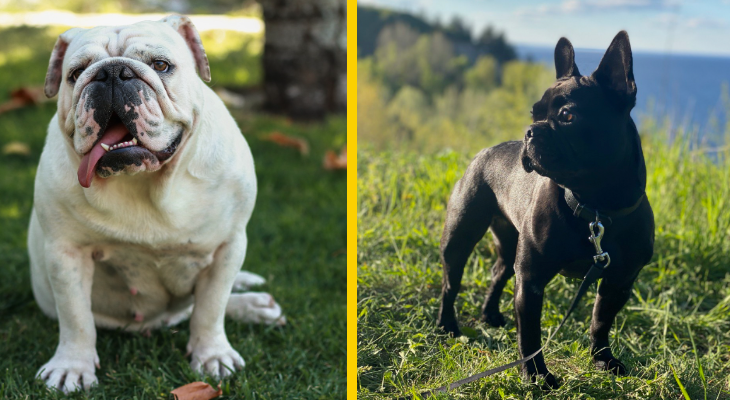
English Bulldog and French Bulldog are both small-sized breeds that are known for their distinctive wrinkled faces and pushed-in noses. However, they have some distinct differences.
The English Bulldog is a larger and heavier breed than the French Bulldog. English Bulldogs typically weigh between 40 to 50 pounds (18-22 kg) and stand about 11 to 12 inches (28-30 cm) tall at the shoulder, while French Bulldogs typically weigh between 16 to 28 pounds (7-13 kg) and stand about 11 to 12 inches (28-30 cm) tall at the shoulder.
English Bulldogs are known for their docile and friendly nature, and they are typically good with children and other pets. They are also known for their loyalty and devotion to their owners. French Bulldogs, on the other hand, are known for their playful and energetic nature. They are also good with children and other pets, and they are known for their affectionate and loyal nature.
Both breeds have similar grooming and exercise needs. They have short coats that require minimal grooming, and they do not require a lot of exercise.
| Size Comparison | English Bulldog | French Bulldog |
|---|---|---|
| Height (cm) | 30-35 (12-14 inches) | 28-33 (11-13 inches) |
| Weight (kg) | 22-25 (48-55 pounds) | 7-13 (16-28 pounds) |
In terms of who the breed fits better for, if you’re looking for a larger, more laid-back dog that is good with children, then the English Bulldog may be a better fit. If you’re looking for a smaller, more playful and energetic dog that is also good with children, then the French Bulldog may be a better fit. However, both breeds make great family pets and are known for their affectionate and loyal nature.
You may also like

Leave a Reply